Do you know about the “dark shower”? The body and mind are prepared for sleep by a new trend, and it is free.
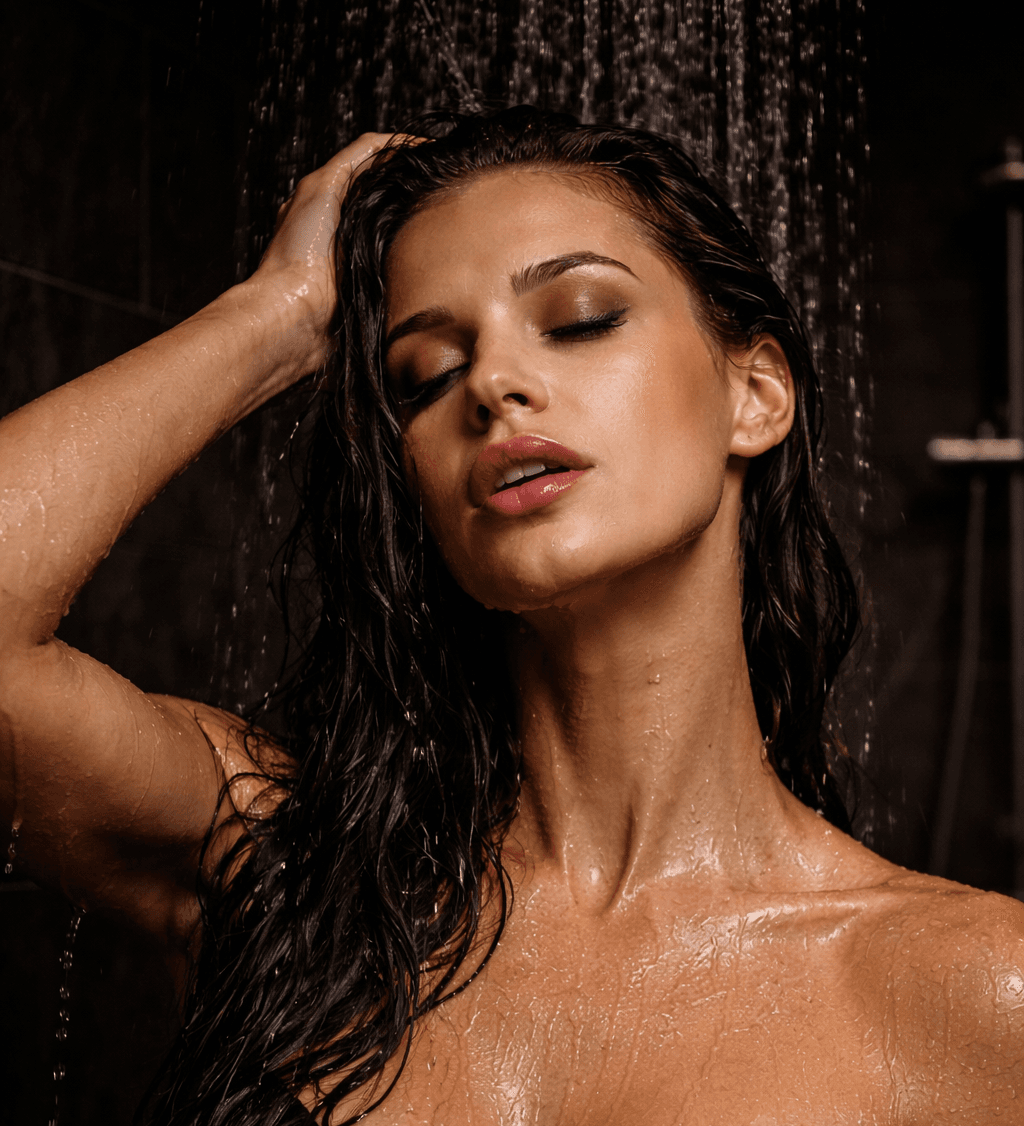
If you have trouble falling asleep, you may already be aware of the “dark shower,” a recent social media trend. This unusual ritual involves showering with the lights dimmed or completely off, often as part of an evening relaxation routine.
- A new trend that is carried out before going to bed is called “dark showering”.
- It reduces stress, stimulates the secretion of melatonin and prepares the body for restful sleep.
According to proponents of this trend, taking a dark shower can assist in mind relaxation, stress reduction, and even improved quality of sleep. The dark shower, in contrast to the morning shower, which awakens and provides energy, aims to reduce light exposure, regulate body temperature, facilitate relaxation, and prepare the body for sleep.
And is taking a shower in the dark really a good way to fall asleep faster and sleep longer, or is it just a nice way to end the day?
Learn how taking a dark shower can help you relax, release more melatonin, and get ready for a good night’s sleep.
“Melatonin is a hormone that controls the circadian rhythm. It is made in the brain to tell us when it is time to be awake and when it is time to go to sleep. Melatonin’s production is influenced by light: high levels of light stimulate its production while low levels of light reduce its secretion. That’s why showering with the lights off stimulates the release of melatonin and prepares the brain for sleep,” explains Dr. Rorscheib.
In addition, showering in the dark reduces exposure to light in the evening, which helps maintain the circadian rhythm and signals to the body that it’s time to relax.
“The body must experience a slight drop in temperature, typically around one degree, to initiate sleep. A warm shower raises the body temperature, and when you get out of the bathroom, there is a rapid drop in the body’s internal temperature. This process mimics the natural changes in the body before sleep and makes it easier for the brain to go to sleep,” explains Rorscheib.
In addition, showering in the dark reduces exposure to light in the evening, which helps maintain the circadian rhythm and signals to the body that it’s time to relax.
Strategies that work for better sleep Experts recommend the following additional tried-and-true methods for better sleeping:
-A regular sleeping schedule that includes getting up and going to bed at the same time each day, even on the weekends.
-Avoiding caffeine – at least six hours before bedtime.
Caffeine has a half-life of about six hours, which means that even several hours after the last coffee, it can make it difficult to fall asleep.
-Light meals before bed – avoid heavy and hard-to-digest food around three hours before going to bed.
-Reducing evening lighting, particularly screen and ceiling lighting.
-Keep the bedroom dark, cool, quiet and comfortable.
If you can’t fall asleep, don’t stay awake in bed for more than 20 minutes. Instead, get up and do some calming activity, like listening to soft music with the lights dimmed for 10-15 minutes, then go back to bed and try again.